In this blog, we will discuss perimenopause, explore common symptoms, and share how a woman can maintain a healthy life during this phase. If you are interested in learning more, stay connected until the end.
What is Perimenopause?
Perimenopause is the transitional phase before menopause that usually begins in a woman’s late 30s or early 40s, and in some cases, even earlier. It is a natural stage of life, yet many women do not openly talk about it and often feel confused and isolated.
During perimenopause, estrogen and progesterone levels can rise and fall unpredictably, and this hormonal instability causes many of the symptoms. Hormonal changes during perimenopause vary based on genetic factors and medical history. They can affect stress levels, sleep patterns, daily habits, physical activity, and symptom intensity. Past lifestyle choices can either amplify or reduce what you experience now, and exercise may start to feel much more exhausting. As a result, you might not feel motivated to stay active or work out regularly.
Common Symptoms of Perimenopause
Symptoms can often appear suddenly, even if there are no major changes in your daily routine. Women need to understand that these are not diseases; they are natural signs that occur during the perimenopause stage in midlife. Early awareness helps women respond proactively, enabling them to make informed decisions rather than react emotionally or physically.
- Emotional symptoms may include mood swings, anxiety, and irritability due to hormonal changes.
- Physical symptoms include weight gain and joint pain, and low energy appears due to hormonal shifts.
- Sleep issues, such as insomnia or night sweats, can significantly reduce daily energy levels.
- You may also experience an irregular menstrual cycle, including changes in timing, flow, and duration. These symptoms can overlap, leaving you feeling overwhelmed.
How to Manage Perimenopause Naturally
Every woman should understand what truly helps during this phase, and what does not, and this is where structured Perimenopause Preparation in Vancouver guidance can be especially helpful. Consistent physical activity supports hormone balance and benefits mental health. It is also important to seek expert guidance on balanced nutrition to help stabilize blood sugar levels, improve sleep quality, support emotional regulation, and manage stress to reduce cortisol. Sustainable lifestyle changes generally work better than any extreme, short-term solutions.
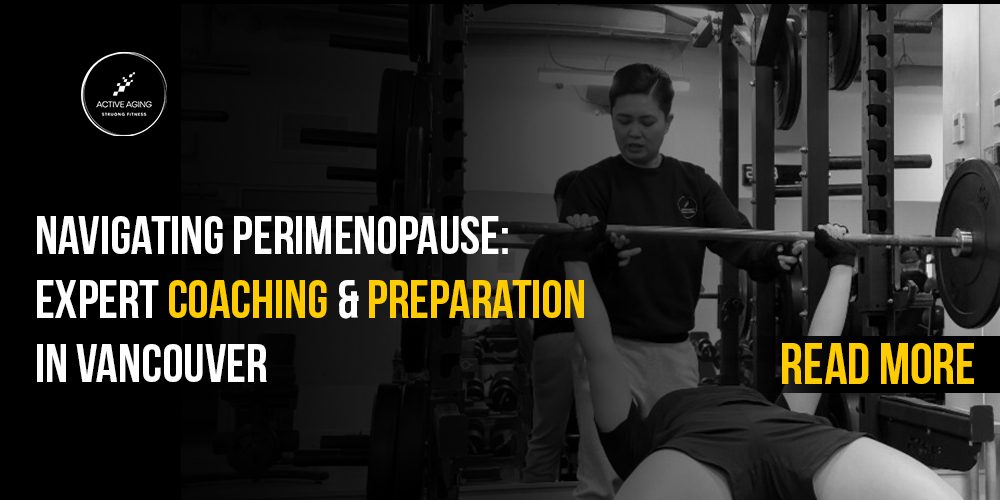
Training a bit more intentionally during perimenopause helps maintain muscle mass and bone health, which supports overall strength and daily function. Low-impact cardio can improve heart health without putting excess stress on the joints. Because hormonal changes can affect how the body responds to exercise, focusing on mobility and stretching is essential. These practices can reduce the risk of fitness-related injuries and improve recovery. For many women, mobility work has become just as important as exercise itself.
When to Seek Professional Perimenopause Support
During perimenopause, professional guidance can help prevent long-term health issues. If you are experiencing symptoms that interfere with your daily life, work, or sleep, or you feel unmotivated to exercise or are not seeing results from your efforts, it is time to seek professional support. The right guidance can help you regain motivation and confidence so you can continue taking care of your health.
At Struong Fitness, our Vancouver expert will help you understand the health changes that come with this stage of life and connect you with fitness-focused wellness professionals. You will get expert guidance to improve adherence, enhance results, and support safe, smarter progress. Our programs are tailored to your hormonal changes and designed to help you stay consistent. With our personalized approach, you can improve your long-term results while boosting your confidence and motivation. Book your consultation with our specialist and get expert Perimenopause Preparation in Vancouver and perimenopause support today.
Frequently Asked Questions
Is weight gain during perimenopause unavoidable?
Weight gain during perimenopause is common due to hormonal changes. However, it is not unavoidable. Maintaining a healthy weight can be more challenging in this phase, which is why it’s helpful to consult an expert who can recommend exercises tailored to your body type, fitness level, and metabolism.
How do lifestyle changes improve perimenopause health?
Your lifestyle has a direct impact on your health during perimenopause. Prioritizing quality sleep, stress management, balanced nutrition, and a sustainable daily routine can support your long-term health. These habits also help maintain hormonal balance.
What are the early signs of perimenopause?
Some early signs of perimenopause include changes in your menstrual cycle, such as differences in timing, flow, and regularity. Many women also notice lower energy levels without any major change to their daily routine. Other physical and emotional symptoms can include sleep disruptions, weight gain especially in the midsection and mood swings.